Poza konstruktywizmem
Ciacek
do 20.10.2026-
Włodzimierz Jan Zakrzewski, Cruel Pessimism, 1991, technika mieszana na płótnie, 183 x 89 cm (każdy panel) / dzięki uprzejmości Ciacek Gallery -
Karol Hiller, Kompozycja heliograficzna XXXIV, 1939, heliografika na papierze fotograficznym, 40 x 30 cm -
Włodzimierz Jan Zakrzewski, Bez tytułu, 1979, technika mieszana na płótnie, 120 x 150 cm
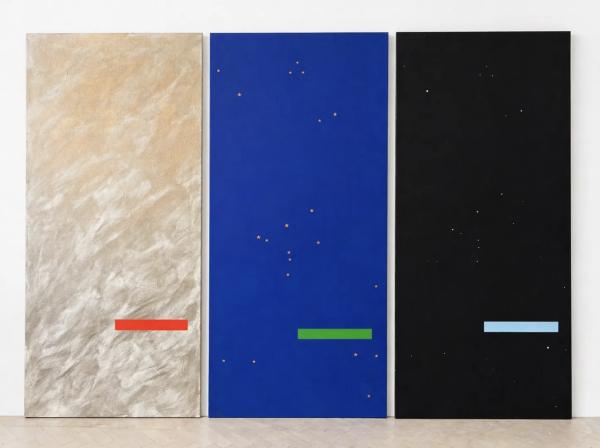
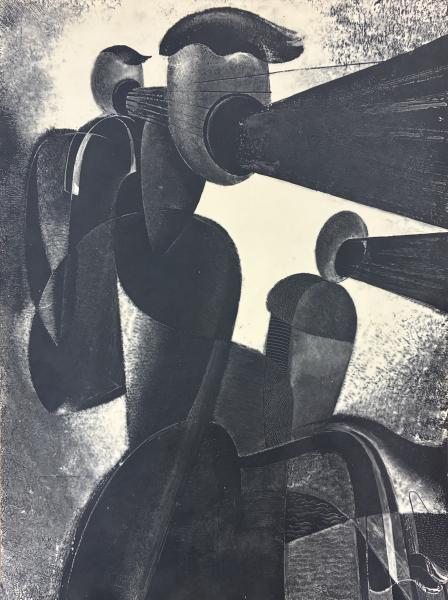

Wystawa prezentuje prace dwóch urodzonych w Łodzi awangardowych artystów Karola Hillera i Włodzimierza Jana Zakrzewskiego. Choć nigdy się nie poznali i należeli do różnych pokoleń, ich twórczość ujawnia zaskakująco wiele wspólnych wątków. Karol Hiller, uznawany za przedstawiciela międzywojennej awangardy, kształcił się w pracowni Michaiła Bojczuka – kijowskiego bizantynisty. Z kolei matka Zakrzewskiego, urodzona w Rosji, wywodziła się ze środowiska silnie zakorzenionego w kulturze i religii prawosławnej. Te odmienne, a zarazem komplementarne konteksty kulturowe znajdują odzwierciedlenie w ich realizacjach. Wspólnym mianownikiem twórczości obu artystów jest jej złożona, wielowymiarowa struktura – zarówno na poziomie formalnym, jak i znaczeniowym. W heliografiach Hillera obecne są odniesienia do losu łódzkiej klasy pracującej lat 30. Artysta, jako socjalista wrażliwy na krzywdę robotników, jednocześnie czerpał inspiracje z konstruktywizmu i fascynacji nowoczesnością oraz maszyną. Zakrzewski natomiast posługuje się językiem geometrii, by opowiadać o emocjach, miejscach i wydarzeniach historycznych. W pracach takich jak „Bitwy” czy „Akslop” (negatyw Polski) w oszczędny, syntetyczny sposób podejmuje temat nadchodzącego kresu znanego świata. Karol Hiller w „Kompozycji heliograficznej XXXIV”, powstałej na rok przed tragiczną śmiercią artysty, przedstawia wizerunki głów, z których zamiast twarzy wydobywają się promienie. Motyw ten nabiera wymiaru wizualnego krzyku — ekspresji rozpaczy i formy protestu. Robert C. Morgan, pisząc o twórczości młodszego z artystów, zwłaszcza o pracy „Cruel Pessimism”, określił ją jako głęboki dialog z napięciem między rozumem a duchowością, nauką a wiarą, wiedzą a sensem. Podobna diagnoza odnosi się również do dzieł Hillera, w których ścierają się współczesność i postęp z fundamentalnymi pytaniami o człowieczeństwo i duchowość.